Introduction – It’s a Conversation, Not an Interrogation
If IELTS Speaking makes your heart race, you are not alone.
In Dhaka, thousands of candidates walk into the speaking room every month with the same fear. Sweaty palms. Dry throat. Racing thoughts.
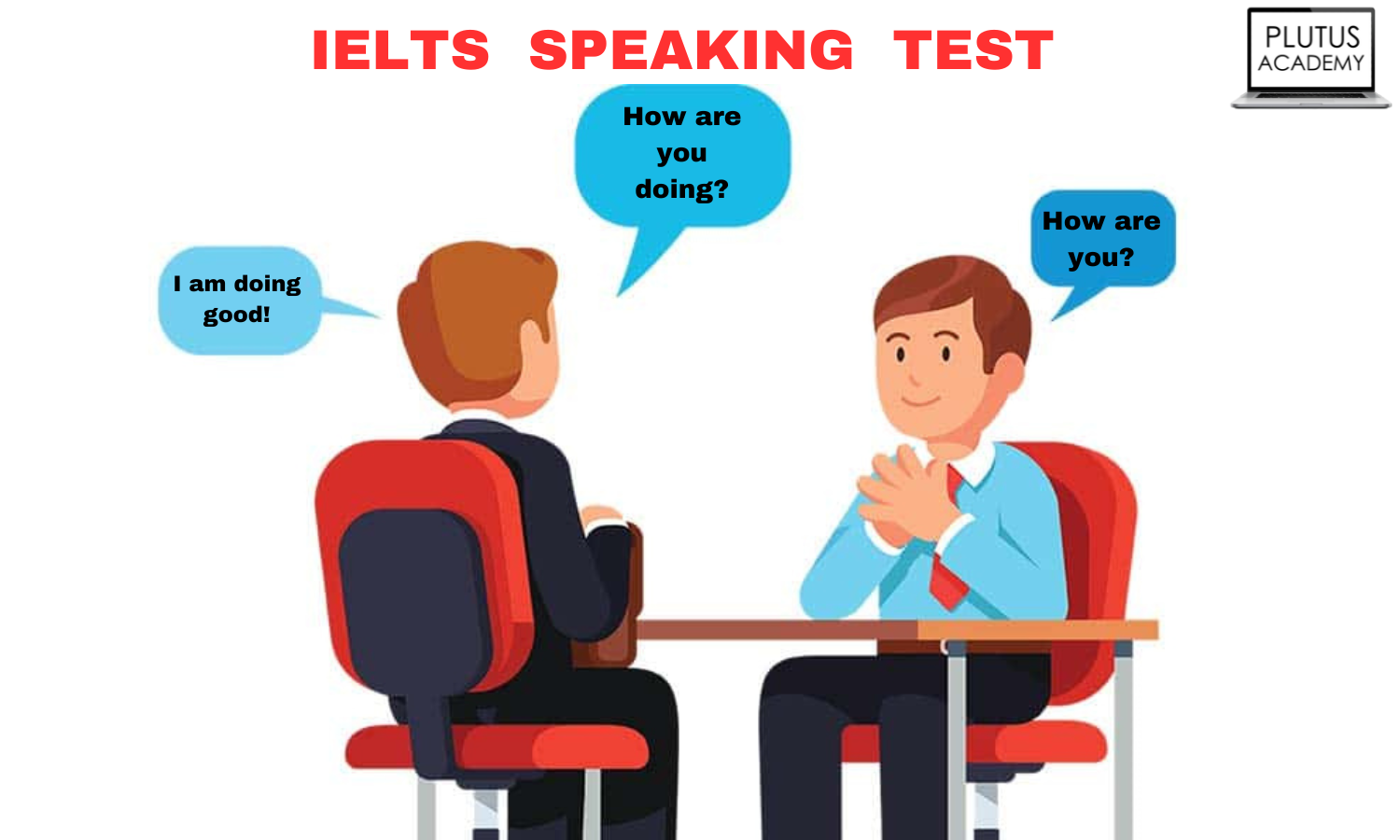
Most candidates imagine the speaking test like this:
“A serious foreign examiner asking impossible questions in a scary room.”
But this image is completely wrong.
The IELTS Speaking test is not an interrogation.
It is not a test of confidence, intelligence, or personality.
It is simply a structured conversation designed to check one thing:
Can you communicate clearly and naturally in English?
The examiner is not trying to trap you. They are trained to be neutral, supportive, and predictable. If you understand how the test really works, your fear drops immediately.
This guide is written specifically for Dhaka and Bangladesh-based candidates. It explains how the speaking test is graded, how to practise properly, where to find speaking partners, how to master cue cards, how to survive Part 3 discussions, and what to do on exam day.
How You Are Really Graded in IELTS Speaking
Many students think speaking is judged emotionally. It is not.
Your speaking band score is calculated using four fixed criteria, each worth 25%.
| Criteria | What It Really Means |
|---|---|
| Fluency & Coherence | Can you speak smoothly without long pauses or confusion? |
| Lexical Resource | Do you use varied vocabulary naturally, not memorised words? |
| Grammatical Range & Accuracy | Can you use both simple and complex sentences with reasonable accuracy? |
| Pronunciation | Are you easy to understand? Not perfect, just clear. |
Let’s clear some dangerous myths.
Myth 1: You must speak fast
False. You must speak smoothly, not quickly.
Myth 2: You must use fancy words
False. Simple words used naturally score higher than memorised vocabulary.
Myth 3: You must sound British
False. IELTS does not test accent. It tests clarity.
You can practise all four skills properly here:
👉 https://quickielts.com/speaking
Understanding the IELTS Speaking Test Format
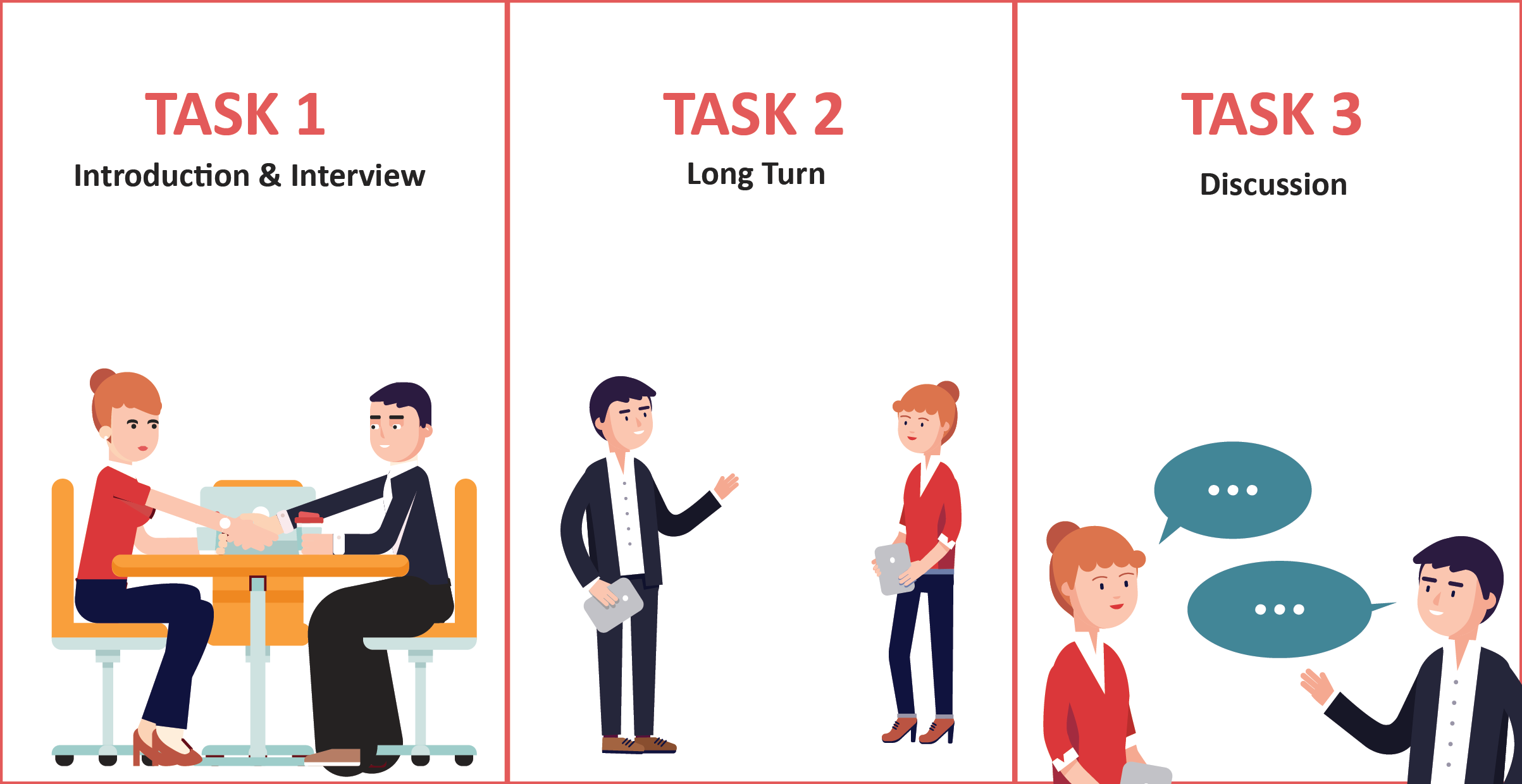
The speaking test lasts 11–14 minutes and has three parts.
Part 1 – Introduction & Interview (4–5 minutes)
- Personal questions
- Safe topics
- Easy to answer
Part 2 – Cue Card (3–4 minutes)
- One topic
- 1 minute preparation
- 2 minutes speaking
Part 3 – Discussion (4–5 minutes)
- Abstract questions
- Opinion-based
- Linked to Part 2 topic
Each part tests different skills. Treating them the same is a mistake.
Finding Speaking Partners in Bangladesh
You cannot improve speaking by reading or listening alone.
Speaking is physical.
Your mouth, tongue, and brain must coordinate in real time.
Online Speaking Partners (Most Popular in Bangladesh)
Facebook is the biggest free resource for Dhaka candidates.
Search these exact phrases:
- “IELTS Speaking Practice Bangladesh”
- “IELTS Speaking Partner BD”
- “Dhaka IELTS Study Group”
Most students practise through:
- Messenger voice calls
- WhatsApp audio
- Zoom sessions
Tip: Practise 15–20 minutes daily, not once a week.
Offline Speaking Partners in Dhaka
If you prefer face-to-face practice, Dhaka has many options.
You can find partners at:
- Coaching centers in Farmgate, Dhanmondi, Mirpur
- University libraries and study rooms
- Nilkhet reading zones and bookshops
Best setup:
A small group of 3 students.
Why not more?
- Everyone gets equal speaking time
- Less pressure
- Easier feedback
Rotate roles: speaker, examiner, observer.
The Mirror Technique – Your Free Speaking Coach
This is one of the most powerful but ignored techniques.
Every night:
- Open your phone camera
- Record yourself answering:
- One Part 1 question OR
- One cue card
- Replay and observe:
- “Um”, “Ah”, “You know”
- Long silence
- Repeated words
- Body language
Then repeat the same answer again, correcting mistakes.
This trains self-awareness, which is crucial for fluency.
Practise guided speaking here:
👉 https://quickielts.com/speaking
Deep Dive – IELTS Speaking Part 1 (The Warm-Up)
Part 1 is not a trick section. It exists to help you relax.
Common topics in Bangladesh:
- Work or study
- Hometown
- Daily routine
- Hobbies
- Food
- Transportation
How long should answers be?
- 2–3 sentences
- Natural, not memorised
Bad answer:
“Yes, I like music.”
Better answer:
“Yes, I enjoy listening to music, especially in the evening. It helps me relax after a long day.”
Small extension = higher score.
Deep Dive – IELTS Speaking Part 2 (The Cue Card)
This is the most feared part for Dhaka candidates.
But it is also the most predictable.
Common Cue Card Topics in Bangladesh
- Describe a traditional festival in your country
- Describe a time you helped someone
- Describe a place you want to visit
- Describe your favourite teacher
These topics repeat regularly because IELTS tests functions, not creativity.
Using the 1-Minute Preparation Wisely
You are given:
- A cue card
- Paper and pencil
- 1 minute to prepare
Big mistake: writing full sentences.
Correct approach: write keywords only.
| Topic | Keywords |
|---|---|
| Festival | name, month, activities, childhood memory |
| Helped someone | who, problem, solution, feeling |
| Favourite teacher | subject, teaching style, influence |
Keywords help your brain remember structure without memorisation.
The Perfect Cue Card Structure
Follow this flow every time:
- Introduction – What it is
- Details – Past or present explanation
- Feeling / Future – Why it matters
This structure:
- Keeps you speaking for 2 minutes
- Improves coherence
- Reduces silence
Never stop early. If needed, explain small details.
Common Cue Card Mistakes by Dhaka Candidates
- Memorising answers
- Speaking too fast
- Stopping after 1 minute
- Panicking if they forget one point
Remember:
The examiner cannot see your cue card notes.
They only judge how you speak.
Mastering IELTS Speaking Part 3 – The Discussion Round
Part 3 is where most Band 6 candidates lose marks.
Here, questions move from personal → general → abstract.
Common Part 3 Topic Areas
| Topic Area | Example Question |
|---|---|
| Technology | How has technology changed communication? |
| Education | Is online learning effective? |
| Gender roles | Are gender roles changing in Bangladesh? |
| Environment | Who should protect the environment? |
There is no “correct” answer. Only clear explanation matters.
Buying Time When You Don’t Know the Answer
Silence is dangerous. Instead, use thinking phrases.
Useful phrases:
- “That’s an interesting question…”
- “I’ve never thought about it deeply, but…”
- “From my perspective…”
These give you 2–3 seconds to organise your thoughts naturally.
How Long Should Part 3 Answers Be?
- 4–6 sentences
- One clear idea
- One example
Don’t lecture. Discuss.
Pronunciation: The Biggest Myth in Dhaka
Many candidates believe:
“My accent is bad, so I can’t score Band 7.”
This is false.
IELTS does NOT test accent.
It tests:
- Clarity
- Word stress
- Sentence rhythm
You can have a Bangladeshi accent and still score Band 8.
Focus on:
- Clear vowel sounds
- Not dropping word endings
- Natural sentence flow
Practise pronunciation safely here:
👉 https://quickielts.com/speaking
Pro Tips for Dhaka IELTS Speaking Candidates
Exam Center Punctuality
Dhaka centers are strict.
Common centers:
- British Council Banani
- IDP Dhanmondi
Arrive at least 45 minutes early.
Late arrival = stress = poor performance.
Body Language Matters (A Little)
You are not judged on style, but confidence helps fluency.
- Sit upright
- Maintain light eye contact
- Nod naturally
Don’t overthink it. Be human.
What to Wear
- Comfortable
- Neat
- Simple
Not too formal. Not too casual.
Final Night Checklist (Do This, Not More)
The night before your test, do not study heavily.
✔ ID card ready
✔ Test location confirmed
✔ One cue card practice
✔ 5 minutes speaking with a partner
✔ Sleep at least 7 hours
Confidence comes from preparation, not cramming.
Final Words – Dhaka Candidates Can Score Band 7+
The IELTS Speaking test is not about showing off English.
It is about being understood confidently.
If you practise daily using:
- https://quickielts.com/speaking
- https://quickielts.com/practice
- https://quickielts.com/study-resources
You will walk into your Dhaka test center not as a nervous candidate, but as someone ready to have a simple conversation.
And that mindset alone can raise your band score more than you expect.