
Introduction – The Shift to Computer-Based IELTS
Over the past few years, Computer-Delivered IELTS (CD-IELTS) has gained popularity in Bangladesh. While the test content, structure, and difficulty remain identical to the traditional paper-based IELTS, the delivery method is entirely digital.
For tech-savvy students, those needing faster results, or candidates frustrated by messy handwriting, CD-IELTS is an attractive alternative. But is it right for everyone?
This guide explores every aspect of CD-IELTS: benefits, drawbacks, exam-day expectations, preparation strategies, and tips to succeed — all tailored for students in Bangladesh.
Why Computer IELTS Is Growing in Bangladesh
1. Faster Results
Traditional IELTS usually delivers results in ~13 days. With CD-IELTS, you can get results in 3–5 days.
For students applying to universities abroad with tight deadlines, this is a game-changer. Imagine completing your test today and submitting results within a week — it’s a huge advantage.
2. Flexibility in Slots
CD-IELTS exams often have more afternoon or evening slots. For students with daytime classes or work schedules, this provides more convenience.
3. Editing Convenience
Writing tasks become easier to manage digitally:
- Cut, copy, and paste sentences
- Undo mistakes instantly
- Automatic word count tracking
These features eliminate the stress of messy handwriting or losing track of word limits.
For more on how writing scoring works digitally, see:
👉 https://quickielts.com/writing
Pros and Cons of Computer-Delivered IELTS
It’s not perfect. Let’s compare benefits and potential challenges for Bangladeshi students.
Pros
| Feature | Advantage for Bangladeshi Students |
|---|---|
| Faster Results | 3–5 days vs 13 days. Ideal for urgent visa or university applications. |
| Writing Editing | Cut, copy, paste, undo. Automatic word count reduces risk of penalties. |
| Listening Experience | Headphones provided, clearer audio quality, less noise distraction. |
| Typing-Friendly | Avoids legibility issues for students with messy handwriting. |
Cons
| Feature | Potential Issue |
|---|---|
| Typing Speed | Slow typists may struggle to finish on time. |
| Screen Fatigue | 3+ hours on a monitor can strain eyes. |
| Navigation Difference | Reading questions appear on the right panel — takes adjustment. |
| Limited Transfer Time in Listening | Only 2 minutes to check answers vs 10 minutes on paper. |
What to Expect on Exam Day
The Interface
Reading Section:
- Split-screen layout: text on the left, questions on the right
- Questions may include multiple-choice, matching, and short answers
Writing Section:
- Word processor-style editor
- Undo/redo buttons
- Automatic word count display
Listening Section:
- Headphones provided
- Volume adjustable individually
- No paper for note-taking; type directly while listening
Time Management Differences
Listening:
- No 10-minute transfer time
- You must type answers directly into the system as you listen
Writing:
- Automatic word count helps track minimum words
- Task 1 → 150 words, Task 2 → 250 words
Tip: Practice typing answers while listening to audio to simulate real test conditions.
For sample CD-IELTS screenshots and interface guides, visit:
👉 https://quickielts.com/exam-day-guide
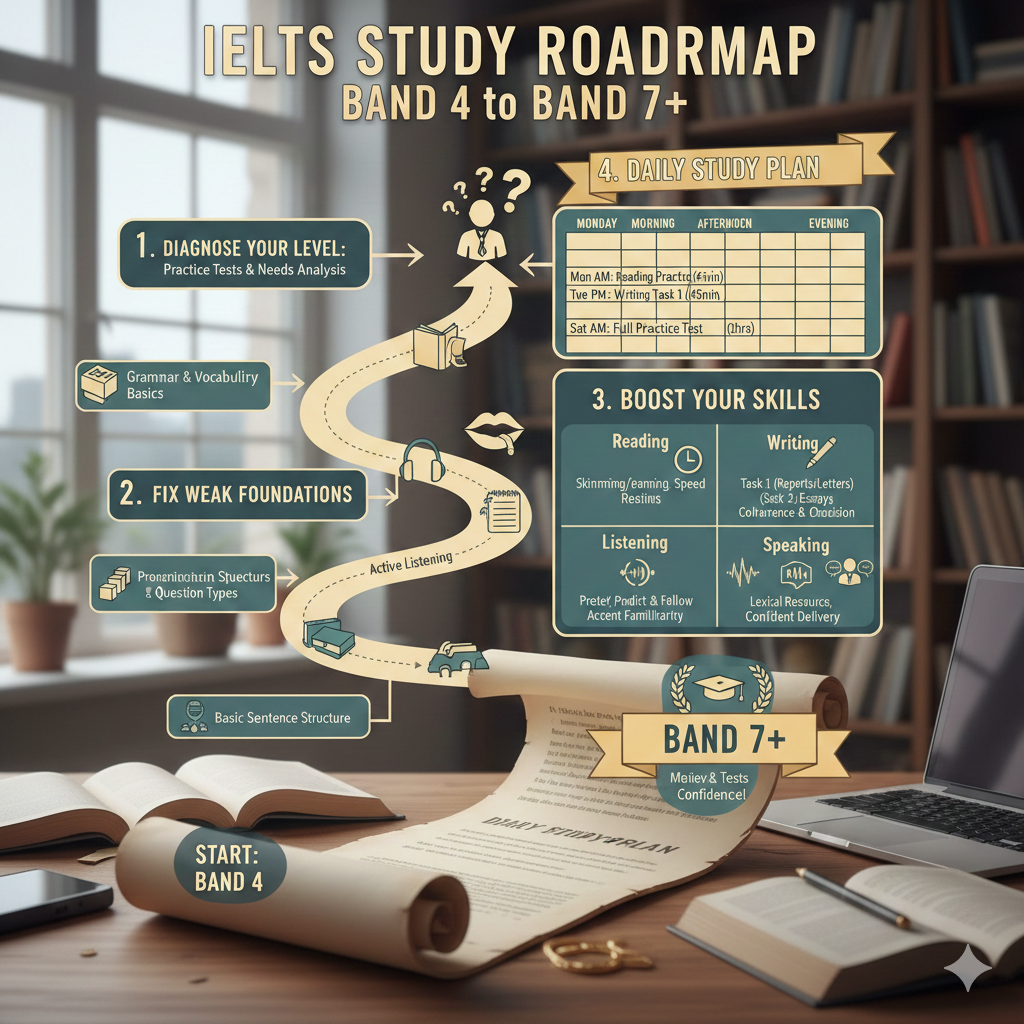
Preparation Strategies for CD-IELTS
1. Mock Tests on Computer
Practicing on a computer is crucial. Your brain and fingers need muscle memory to type quickly and navigate questions.
Where to find computer-based mock tests in Bangladesh:
- Official IDP Mock Tests: https://www.ieltsidpbd.com/mock-tests
- IELTS Online Tests: https://www.ieltsonlinetests.com
- QuickIELTS Practice Tests: https://quickielts.com/mock-tests
Pro Tip: Complete at least 3 full-length computer mocks before the real test.
2. Typing Practice
Typing speed is critical, especially for Task 2 essays.
Goal: 30–40 Words Per Minute (WPM) with minimal errors.
Strategies:
- Use platforms like 10FastFingers to track typing speed: https://10fastfingers.com/typing-test/bangla
- Practice typing IELTS Task 1 & Task 2 responses daily in Word or Google Docs
- Focus on accuracy first, speed second — mistakes take extra time to fix during the test
3. Listening Preparation on Computer
- Always use headphones when practising
- Play BBC News, TED Talks, or MasterChef Australia to get used to British and Australian accents
- Simulate the 2-minute transfer time by typing answers directly while listening
For detailed listening strategies, visit:
👉 https://quickielts.com/listening-guide
4. Reading Practice on Computer
- Read PDF articles or online materials on your laptop or desktop
- Practice skimming and scanning digitally
- Familiarize yourself with split-screen navigation: passage vs questions
Tips:
- Highlight or mark keywords mentally — you cannot scribble notes easily like on paper
- Scroll efficiently — avoid losing your place
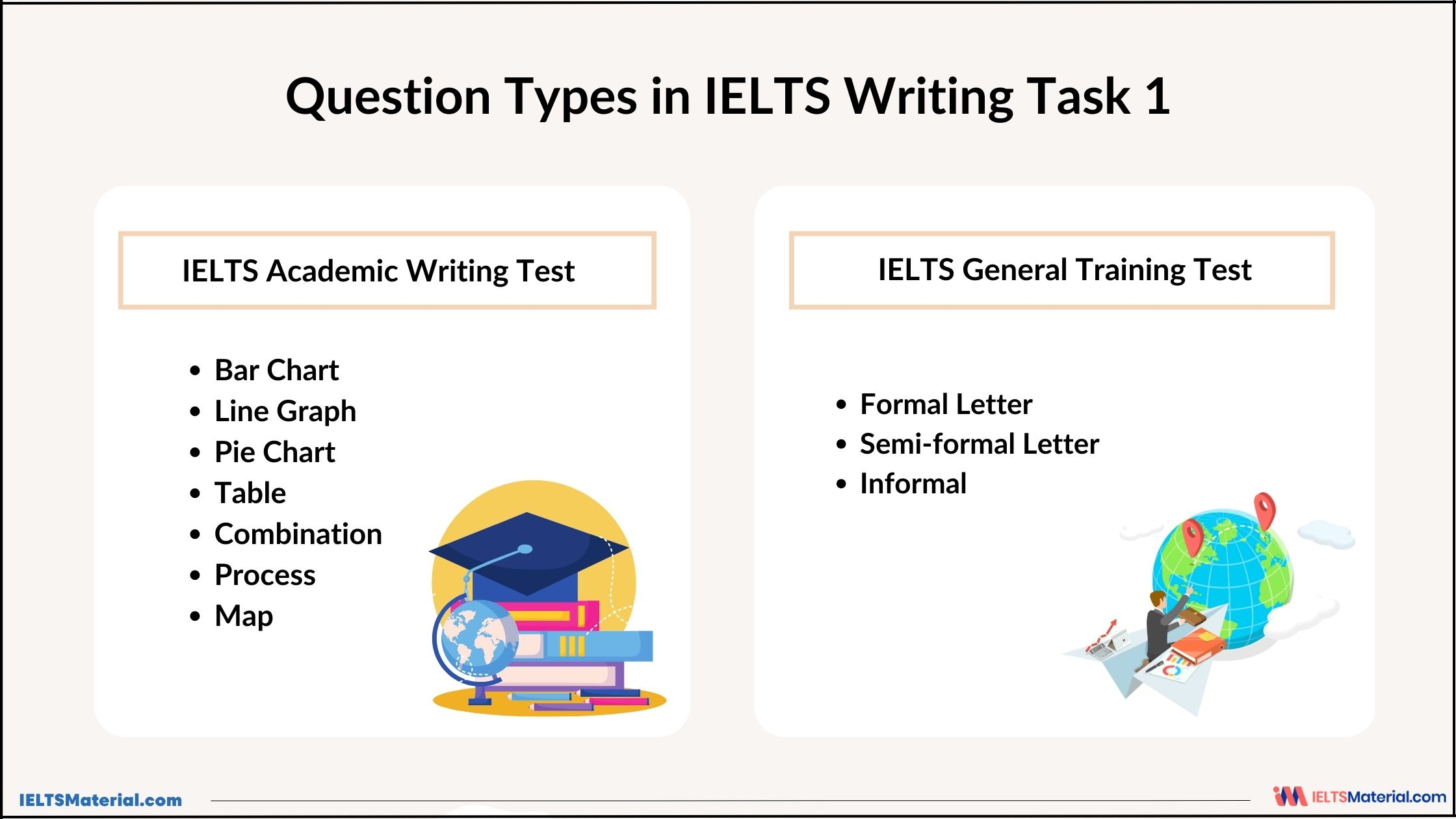
5. Writing Practice on Word Processor
- Set timers: 20 minutes for Task 1, 40 minutes for Task 2
- Use undo, redo, copy, and paste wisely
- Track word count automatically
- Focus on essay structure, vocabulary, and grammar
For vocabulary and essay structuring guidance, check:
👉 https://quickielts.com/writing
Who Should Choose Computer-Delivered IELTS?
CD-IELTS is not for everyone. Consider the following:
- Students with Messy Handwriting
- No risk of examiner misreading answers
- Night Owls
- Afternoon/evening slots are more common for CD-IELTS
- Tech-Savvy Candidates
- Comfortable using computers for 3+ hours without fatigue
- Urgent Result Seekers
- Receive results in 3–5 days, helpful for university deadlines
Tips for Bangladeshi Students to Ace CD-IELTS
- Simulate the Exam Environment at Home
- Sit for 3 hours straight with full mocks
- Practice without breaks to build endurance
- Practice Numbers, Dates, and Spellings
- Small mistakes are easy to make on screen
- Type carefully to avoid lost marks
- Screen and Audio Setup
- Adjust brightness to avoid eye strain
- Use good-quality headphones
- Stay Hydrated
- Sitting for long periods can cause fatigue
- Typing Accuracy Over Speed
- Typing too fast with errors wastes time in corrections
Conclusion – Is Computer-Delivered IELTS Right for You?
CD-IELTS offers:
- Speed
- Convenience
- Digital editing advantages
But it comes with challenges:
- Typing speed pressure
- Screen fatigue
- Limited transfer time in Listening
Recommendation for Bangladeshi Students:
- Try a free online mock test to experience the interface before booking your slot: https://quickielts.com/mock-tests
- Use preparation resources here: https://quickielts.com/study-resources
If you are comfortable with computers, need faster results, and prefer digital editing, CD-IELTS is likely the better choice.
Bonus Tip: Mindset for CD-IELTS Success
- Treat it like paper-based IELTS on screen
- Focus on accuracy, structure, and timing
- Build digital endurance with daily typing and mock practice
- The interface is just a tool; your English skills still determine your band
With preparation, practice, and discipline, Computer-Delivered IELTS in Bangladesh can be faster, more comfortable, and just as high-scoring as the traditional paper test.